
 See Our Latest Article on HelloNation
What Does a Spinal Adjustment Actually Do?
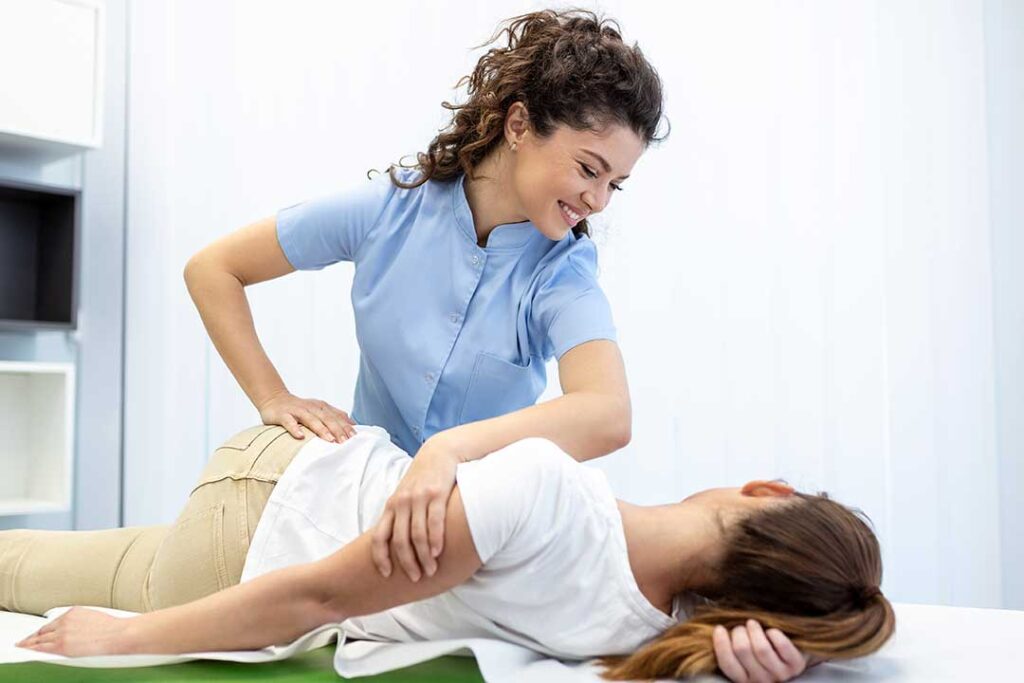
A spinal adjustment is a specific movement applied to joints in the spine, usually performed by hand, with the purpose of improving motion and function. Scientific studies have shown that adjustments can temporarily increase spinal joint mobility, help relax muscles, and sometimes influence nervous system signaling in the area. In day-to-day life around Woodbury, these effects may translate to less stiffness, more comfortable movement, and sometimes a sense of improved physical well-being.
Spinal adjustments are not about "putting bones back in place." Instead, research suggests they work by gently moving joints that may be restricted or not moving as freely as they should, which can contribute to discomfort or tension.
How Do Spinal Adjustments Impact Nerves and Muscles?
Spinal adjustments are believed to affect both the musculoskeletal and nervous systems. Quickly applied, controlled force at a specific spinal joint can:
- Stimulate stretch receptors and nerve endings in the surrounding tissue
- Temporarily modify local nerve signals, which may reduce muscle tension or spasm
- Trigger the release of endorphins—the body's natural comfort chemicals
These effects can be significant for those in areas like Woodbury, where regular activity, long commutes, or everyday stresses may contribute to stiffness or aches. For many, this can mean feeling looser or more flexible after a session.
Common misconceptions include the idea that the adjustment "fixes" a slipped or herniated disc. Rather, it's about supporting natural joint movement and helping the body regulate itself.
Is There Evidence That Spinal Adjustments "Realign" the Spine?
The idea that a spine can be "realigned" in a dramatic way by an adjustment is mostly a myth. Medical imaging does not show large, permanent movement of vertebrae after adjustment. Instead, studies show that adjustments provide a modest, short-term change in joint position and improved motion where the spine might have been restricted.
In Woodbury, many residents live in homes or environments that can contribute to cumulative postural stresses—like long hours sitting at a desk or in the car. Spinal adjustments can temporarily address the resulting joint restrictions, but they do not create dramatic anatomical changes.
Are Spinal Adjustments Supported by Scientific Research?
Dozens of clinical studies and reviews have examined the effects of spinal adjustments. Some of the strongest evidence is for relief of acute low back discomfort and certain types of tension headaches. Researchers have found:
- Modest improvements in pain and function for short-term back issues
- Comparable results to common over-the-counter pain medications for some people
- Temporary improvement of joint motion and reduction in muscle tightness
However, the scientific community is clear: spinal adjustments are not a cure-all. Their greatest benefit tends to be for certain types of muscle and joint discomfort, not for serious medical conditions or systemic diseases.
What Should Local Residents Understand About Safety?
For most healthy adults, spinal adjustments by properly trained practitioners have a low risk of serious adverse effects. Minor soreness, lightheadedness, or temporary discomfort can sometimes occur afterward. Severe complications, such as injury to blood vessels or nerves, are extremely rare but possible.
Certain individuals in Woodbury—such as older adults with osteoporosis, people on blood thinners, or those with known spinal pathology—should seek medical advice to assess suitability. Clear communication about your health history and any underlying conditions is vital.
Can Spinal Adjustments Alone Resolve Chronic Pain?
While spinal adjustments may offer short-term relief from some forms of musculoskeletal discomfort, scientific guidelines emphasize that chronic or recurrent back issues usually improve best with a mix of approaches:
- Regular movement and physical activity
- Attention to ergonomics, especially for those working from home in the city
- Mindful stretching and strengthening exercises
- Addressing stress, sleep, and lifestyle factors commonly encountered in suburban communities
Spinal adjustments can form one part of this toolkit, but rarely provide a lasting solution on their own for most persistent concerns.

Why Do Some People Hear a "Pop" During an Adjustment?
That familiar popping or cracking sound during a spinal adjustment is called "cavitation." This is simply gas rapidly leaving a joint space when it’s moved quickly—a bit like the sound when opening a soda bottle. Research confirms that the noise is not the sound of bones grinding or shifting; it's pressure changing in the fluid-filled space of the joint.
In the Woodbury area, some people find this sound reassuring, while others may be nervous about it. The noise itself is harmless and not required for the adjustment to be effective.
How Does Local Lifestyle Influence Back and Joint Health?
Residents in Woodbury may face unique local factors affecting spinal health, such as seasonal yard work, snow shoveling in winter months, and long driving times given the region’s layout. These activities can increase the likelihood of joint restriction or back soreness.
Simple, science-backed strategies can help:
- Alternate heavy tasks with lighter ones
- Use proper lifting mechanics during home or yard work
- Incorporate daily stretching or gentle movement
- Arrange home workspaces to reduce prolonged poor posture
Spinal adjustments may offer supportive relief when these everyday stresses add up, but a proactive approach provides the best results for most community members.
What Are Common Myths About Spinal Adjustments?
Misconceptions persist—sometimes fueled by outdated ideas or pop culture:
- Adjustments do not cure infections, asthma, or non-musculoskeletal diseases
- There is no evidence that a single adjustment can permanently "fix" spinal structure
- Regular clicking, clunking, or popping of joints at home is not the same as a controlled spinal adjustment
- The benefits often depend on overall health, activity, and lifestyle rather than on repeating adjustments indefinitely
Awareness of these facts helps local residents make informed decisions about their spinal health.
