
 See Our Latest Article on HelloNation
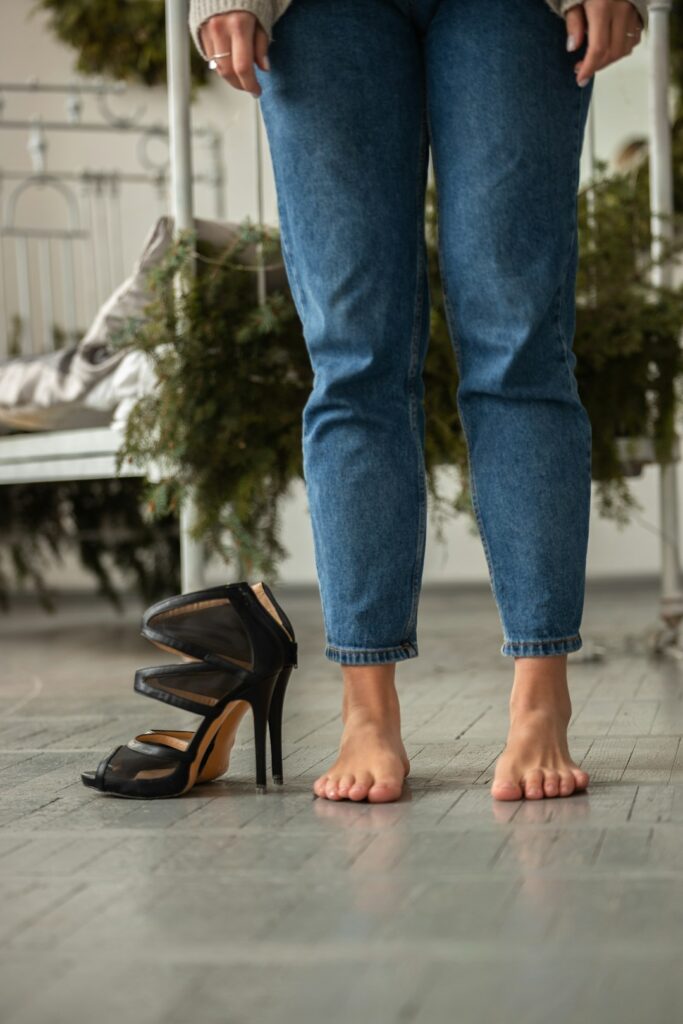
High heels can change more than appearance. By raising the heel and shifting the body’s weight forward, they can alter walking mechanics, increase muscle strain, and contribute to discomfort in the feet, knees, hips, and lower back.
For many people, occasional heel use does not cause lasting problems. The risk tends to increase with taller heels, narrow toe boxes, long periods of standing or walking, poor shoe fit, and existing muscle or joint conditions.
Why can high heels affect back health?
High heels place the foot in a downward-pointing position. This limits the ankle’s normal movement and shifts more pressure toward the ball of the foot. To remain balanced, the body may adjust at the knees, hips, pelvis, and lower spine.
These adjustments can include:
- A shorter, less stable stride
- Increased arching of the lower back
- Forward movement of the pelvis
- Greater tension in the calf muscles
- More work for the muscles along the spine and hips
- Reduced ability to absorb impact through the foot and ankle
The changes are not always noticeable while the shoes are being worn. Some people first notice tight calves, aching feet, hip soreness, or low back discomfort later in the day or the following morning.
Can high heels cause lower back pain?
They can contribute to lower back pain, especially when worn for several hours or during prolonged standing and walking. The shoes do not automatically cause a spinal injury, but they may increase stress on muscles and joints that are already working to maintain balance.
A heel raises the rear of the foot while the toes remain on the ground. This changes the body’s center of gravity. The lower back may arch more than usual as the pelvis and trunk compensate. That position can increase fatigue in the lumbar muscles and may aggravate an existing problem such as muscle strain, joint irritation, or restricted movement.
Back discomfort may be more likely when high heels are combined with:
- Long commutes or extended walking
- Standing during work or social events
- Carrying a child, bag, or other weight
- Limited hip or ankle flexibility
- Weakness in the abdominal, hip, or leg muscles
- A history of back pain
The relationship is usually mechanical and cumulative rather than immediate. A person may tolerate short periods in moderate heels but develop symptoms after repeated use or a particularly long day.
What other parts of the body are affected?
Back symptoms may be only one part of the problem. High heels can also increase stress throughout the lower body.
The front of the foot receives more pressure, which may lead to soreness under the toes or across the ball of the foot. Narrow shoes can crowd the toes and worsen bunions, corns, calluses, or nerve irritation.
The calf muscles and Achilles tendon remain in a shortened position while the heel is elevated. After removing the shoes, the calf may feel tight or strained. People who switch frequently between high heels and flat shoes may notice discomfort because the ankle and calf must repeatedly adapt to different positions.
Knee pain can develop as the leg’s alignment and shock absorption change. The hips may also work harder to stabilize the body, particularly when walking on uneven surfaces or turning quickly.
Ankle sprains are another concern. A narrow heel provides a smaller base of support, and a sudden shift in balance can be more difficult to correct.
Does heel height matter?
Yes. In general, taller heels create a greater change in ankle position and body alignment. A thin, narrow heel may also be less stable than a lower, wider heel.
Heel height is not the only factor. A lower shoe with a pointed toe, poor cushioning, or an unstable sole may still cause significant foot and leg discomfort. Fit, walking conditions, duration of wear, and individual anatomy all matter.
A shoe that feels comfortable while sitting may become painful after several hours of standing. The foot can swell during the day, making a tight toe box even more restrictive.
Are high heels safe for occasional wear?
Occasional use is less likely to create ongoing problems than daily or prolonged wear, particularly when the shoes fit well and the wearer has no symptoms. However, “occasional” does not eliminate the risk of a fall or ankle injury.
Practical ways to reduce strain include:
- Choose a lower, broader heel when possible.
- Limit the amount of time spent standing or walking in the shoes.
- Use supportive footwear for commuting, errands, or longer distances.
- Select shoes with enough room for the toes to lie naturally.
- Avoid walking quickly on uneven pavement, wet surfaces, or stairs.
- Change shoes if numbness, burning, cramping, or increasing pain develops.
- Gently stretch the calves after removing the shoes, without forcing the ankle.

Seasonal conditions can also affect stability. In Woodbury, winter ice, packed snow, wet leaves, and uneven walkways can make narrow heels particularly hazardous. Even a shoe that feels manageable indoors may be less secure outside when traction is limited.
Can stretching or strengthening help?
Improving flexibility and strength may reduce the effects of altered footwear, although exercises cannot fully eliminate the mechanical changes caused by a high heel.
Calf stretching can help address tightness, while strengthening the hips, legs, feet, and trunk may improve balance and control. Regular walking in supportive, comfortable shoes can also help maintain normal movement.
Exercises should not cause sharp pain, spreading symptoms, numbness, or weakness. A sudden increase in activity may create additional strain, particularly for someone who has been sedentary or already has a painful foot, knee, hip, or back condition.
How can someone tell whether heels are contributing to back pain?
A useful clue is timing. Keep track of whether symptoms appear:
- During or shortly after wearing heels
- After standing for a long period
- The morning after an event
- Along with calf tightness or forefoot pain
- More strongly on one side of the body
- Less often when wearing supportive, low-heeled shoes
A simple footwear and symptom record can help identify patterns. It may also reveal that the main issue is not the heel alone but the combination of shoe design, duration, walking surface, and an underlying movement restriction.
When should back or foot symptoms be medically evaluated?
Persistent or worsening pain deserves attention, particularly when changing footwear and reducing aggravating activity does not help. Prompt medical evaluation is appropriate for back pain accompanied by leg weakness, progressive numbness, loss of bladder or bowel control, fever, or significant trauma.
Foot and ankle symptoms should also be evaluated after a fall, visible swelling, inability to bear weight, or sudden severe pain. Recurrent back pain, frequent ankle rolling, or symptoms that interfere with sleep and normal activities may indicate a condition that needs more than footwear changes.
High heels are not universally harmful, but they do alter the way the body balances and absorbs force. Using them for shorter periods, choosing stable designs, and paying attention to early signs of strain can help reduce unnecessary stress on the back and lower limbs.
