
 See Our Latest Article on HelloNation
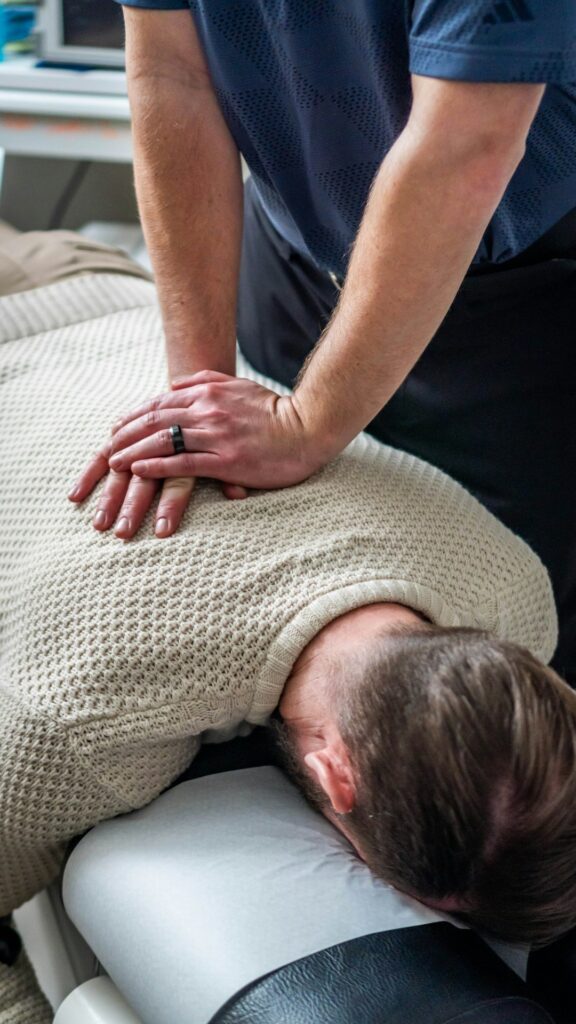
Chiropractic care is one non-drug approach that may help manage certain types of muscle, joint, and spine-related pain. Its role is usually centered on improving movement, reducing mechanical irritation, and supporting daily function rather than “realigning” the body in a permanent or universal way.
For residents of Woodbury, NY, chiropractic care may be considered for problems such as uncomplicated low back pain, neck stiffness, some types of joint discomfort, and mobility limitations. The right approach depends on the cause of pain, the person’s health history, and whether warning signs suggest a condition requiring medical evaluation.
What does chiropractic care involve?
Chiropractic care commonly includes hands-on treatment of the spine or other joints. Techniques may include spinal manipulation, which uses a controlled thrust, or mobilization, which moves a joint gently through part of its normal range without a forceful thrust.
An evaluation may also include:
- Questions about how the pain began and what makes it better or worse
- A review of health conditions, medications, injuries, and prior treatment
- Observation of posture, walking, balance, and movement
- Basic testing of strength, sensation, and joint range of motion
- Guidance on activity, stretching, strengthening, or changes to daily habits
Treatment is not limited to the adjustment itself. A thoughtful pain-management plan may combine manual therapy with exercise, gradual return to activity, ergonomic changes, and education about avoiding prolonged rest.
Which types of pain may respond?
The strongest practical use of chiropractic care is generally for some forms of nonspecific musculoskeletal pain, especially low back pain. This describes pain that does not appear to come from a fracture, infection, cancer, severe nerve compression, or another serious disease.
Some people may also seek care for:
- Neck pain related to muscle tension or joint stiffness
- Pain associated with prolonged sitting or repetitive work
- Mild activity-related joint discomfort
- Limited movement after minor strains
- Recurring back discomfort that affects lifting, walking, sleep, or household tasks
Research suggests spinal manipulation can produce modest improvements in pain and function for some people with acute or chronic low back pain. Results vary, and improvement may come from the combined effects of movement, hands-on care, exercise, reassurance, and time.
Chiropractic care is not equally appropriate for every pain condition. Severe arthritis, significant nerve compression, major injuries, inflammatory disease, and pain caused by internal organs require a different type of evaluation.
How might it help with pain?
Pain is influenced by more than tissue damage. Muscle guarding, reduced joint movement, poor sleep, fear of movement, stress, and repeated physical strain can all contribute to symptoms.
Manual treatment may help by temporarily improving joint motion, reducing muscle tension, and making movement more comfortable. That temporary improvement can make it easier to walk, perform exercises, change positions, or resume normal activities.
The goal should usually be better function, not simply the elimination of every sensation. For example, a useful result may be being able to sit through a workday with fewer position changes, sleep more comfortably, or lift light household items with less hesitation.
Pain relief that lasts is more likely when hands-on care is paired with active strategies. These may include walking, strengthening, mobility exercises, pacing, and learning how to respond to flare-ups without becoming completely inactive.
Is chiropractic treatment safe?
For many adults with uncomplicated musculoskeletal pain, chiropractic treatment is considered relatively safe when performed by a properly trained and licensed practitioner. Temporary soreness, stiffness, fatigue, or a mild increase in symptoms can occur, and these effects often resolve within a day or two.
Serious complications are rare, but they are possible. Risk may be higher when a person has certain medical conditions, a recent significant injury, fragile bones, bleeding problems, or symptoms suggesting serious nerve or blood-vessel involvement.
A complete health history matters. People should mention:
- Recent falls, vehicle injuries, or sports injuries
- Osteoporosis or a history of fractures
- Cancer, infection, or unexplained weight loss
- Blood-thinning medication or bleeding disorders
- Numbness, weakness, balance changes, or changes in bladder or bowel control
- Recent surgery or a diagnosed spinal condition

Forceful neck manipulation deserves particular caution. Anyone considering treatment for neck pain should discuss the available techniques, expected benefits, alternatives, and potential risks before treatment.
When should back or neck pain be evaluated urgently?
Certain symptoms should not be managed solely as routine muscle or joint pain. Prompt medical evaluation is appropriate for pain accompanied by:
- New or worsening weakness in an arm or leg
- Loss of sensation that is spreading or severe
- Trouble walking, major balance changes, or loss of coordination
- Loss of bladder or bowel control
- Numbness in the groin or inner-thigh area
- Fever, unexplained weight loss, or feeling seriously ill
- Significant pain after a fall, collision, or other trauma
- Severe pain that is constant, worsening, or unrelated to movement
Pain that travels down a leg or arm may involve a spinal nerve. This does not automatically rule out conservative care, but persistent or progressive nerve symptoms deserve careful assessment.
Does treatment replace medication, physical therapy, or medical care?
Usually, no. Chiropractic care may be one part of a broader pain-management plan. Depending on the situation, useful care may also involve physical therapy, primary medical care, medication review, diagnostic testing, behavioral strategies, or supervised exercise.
A coordinated approach is especially helpful when pain persists beyond the expected recovery period or repeatedly interferes with work, sleep, driving, childcare, or household responsibilities. No single treatment works for everyone, and continuing a treatment without meaningful improvement should be reconsidered.
Imaging is not automatically necessary for ordinary low back pain. It may be considered when symptoms persist, neurological findings are present, a serious condition is suspected, or the results would change treatment decisions.
What should a person expect from a responsible plan?
A responsible plan should explain what the suspected problem is, what treatment is intended to accomplish, and how progress will be measured. Improvement may be tracked through walking tolerance, range of motion, sleep, work activities, pain intensity, or the ability to perform specific tasks.
People should be cautious about claims that chiropractic treatment can cure unrelated diseases, permanently correct every structural problem, or eliminate the need for all other forms of care. Pain is complex, and responsible treatment includes recognizing limits and referring for additional evaluation when needed.
For local residents, seasonal routines can also influence symptoms. Winter weather may reduce outdoor activity, while snow clearing, prolonged driving, home maintenance, gardening, and recreational activities can place repeated stress on the back and shoulders. Gradually increasing activity, using sound lifting mechanics, and avoiding long periods of bed rest may support recovery alongside appropriate care.
How can someone make an informed decision?
Before starting care, ask what condition is being treated, which techniques are being considered, what benefits are realistic, and what alternatives exist. It is also reasonable to ask how progress will be assessed and what would indicate the need for a different evaluation.
Chiropractic care may be useful for selected musculoskeletal pain, particularly when it supports movement and complements an active recovery plan. It should be viewed as one evidence-informed option within pain management—not as a universal solution and not as a substitute for urgent medical attention when warning signs are present.
