
 See Our Latest Article on HelloNation
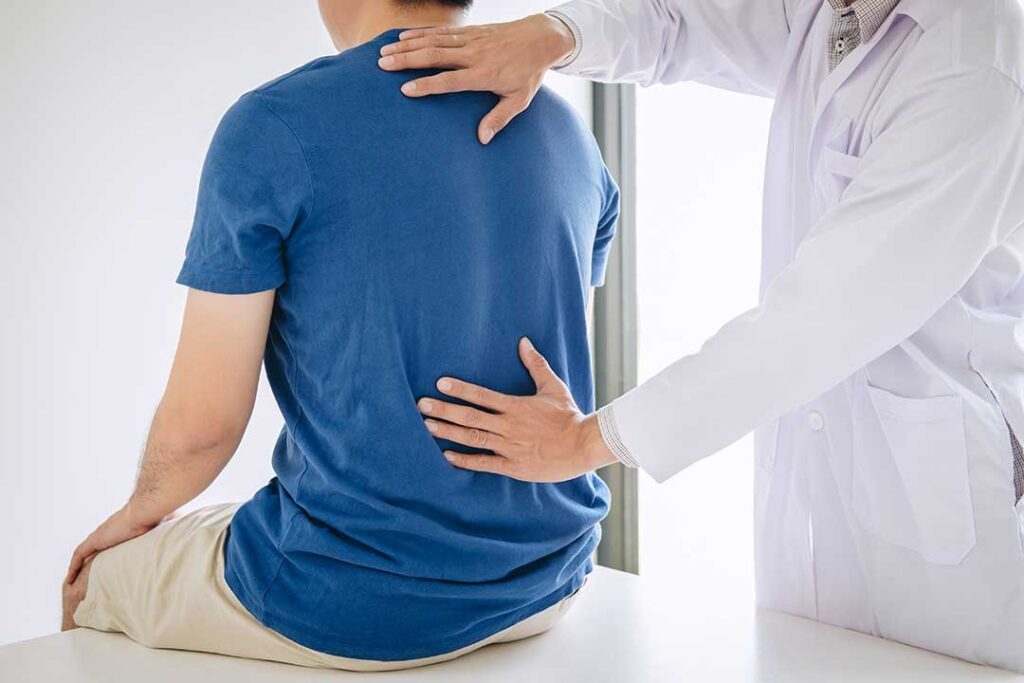
Core strength is more than having visible abdominal muscles. It refers to the coordinated work of the muscles around the abdomen, back, pelvis, hips, and diaphragm that help support the trunk during movement. For residents of Woodbury, NY, developing this support can make everyday tasks—such as lifting, gardening, shoveling, walking, and sitting for extended periods—more comfortable and controlled.
A stronger core does not guarantee that back pain will never occur. However, it can improve balance, movement control, and muscular endurance while reducing the amount of stress placed on the spine during common activities. National health guidance identifies the abdominal, back, and hip muscles as important parts of core fitness and notes that core strength supports balance and stability. ([medlineplus.gov](https://medlineplus.gov/exerciseandphysicalfitness.html?utm_source=openai))
What does “core strength” actually mean?
Core strength is the ability to stabilize and move the trunk efficiently. It involves several muscle groups working together rather than one isolated area.
These muscles include:
- The abdominal muscles, including deeper muscles that help control trunk pressure
- The muscles along the spine that assist with posture and extension
- The pelvic and hip muscles that help transfer force between the legs and torso
- The diaphragm, which contributes to pressure control and breathing coordination
A person can have strong abdominal muscles but still lack functional core control. For example, someone may perform many sit-ups but struggle to keep the pelvis stable while lifting a laundry basket. Effective core training usually includes bracing, balance, controlled breathing, hip movement, and resistance against unwanted twisting or bending.
How does core strength support spinal health?
A stable core helps distribute movement across the hips, pelvis, and spine instead of allowing one area to absorb excessive stress. This is particularly useful during lifting, reaching, carrying, and changing direction.
Core strength may help by:
- Supporting a more controlled posture
- Improving balance during standing and walking
- Reducing unnecessary movement through the lower back
- Helping the hips and legs contribute during lifting
- Improving endurance during prolonged sitting or standing
- Making everyday movement more efficient
Good spinal mechanics do not require keeping the back perfectly straight at all times. The spine is designed to bend, rotate, and move. The goal is to develop enough strength and coordination to control those movements, especially when handling resistance or fatigue.
Can core exercises prevent or relieve back pain?
Core exercises may help reduce the risk of some back injuries and can be part of an exercise-based approach to ongoing low back pain. They are not a universal cure, and the right exercises depend on the person’s symptoms, strength, mobility, medical history, and tolerance for movement.
Clinical guidance supports structured exercise for many people with chronic low back pain. Exercise programs may include strengthening, trunk muscle activation, Pilates, yoga, walking, or other forms of progressive movement. ([pmc.ncbi.nlm.nih.gov](https://pmc.ncbi.nlm.nih.gov/articles/PMC6848394/?utm_source=openai))
It is also common for back pain to involve more than muscle weakness. Contributing factors can include sudden increases in activity, poor sleep, stress, limited hip mobility, previous injury, prolonged inactivity, or an underlying medical condition. Building core strength can be useful without being the only part of a complete plan.
Which exercises are generally appropriate?
For many adults without an acute injury, gentle exercises that emphasize control are a reasonable starting point. The exercise should feel challenging but manageable, and symptoms should not steadily worsen during or after the activity.
Examples include:
- Abdominal bracing: Lie on the back with the knees bent. Gently tighten the abdominal muscles as if preparing for a light impact, while continuing to breathe normally.
- Bird-dog: From a hands-and-knees position, extend one arm and the opposite leg without allowing the trunk to rotate or the lower back to sag.
- Bridge: Lift the hips gradually while keeping the ribs relaxed and the knees aligned with the feet.
- Dead-bug variations: Move one arm or leg at a time while maintaining comfortable control of the pelvis and trunk.
- Side plank modifications: Begin with the knees bent or with the upper body supported on an elevated surface.
- Walking: Regular walking develops trunk endurance and encourages coordinated movement without requiring advanced equipment.
The number of repetitions matters less than the quality of movement. Start with a small amount and increase gradually. Holding the breath, forcing through sharp pain, or allowing the back to arch or twist excessively can reduce the value of an exercise.
How often should core exercises be performed?
Consistency is usually more useful than occasional, intense workouts. A practical routine may include core-focused exercises two or three times per week, combined with regular walking and general strengthening for the legs, hips, upper body, and back.
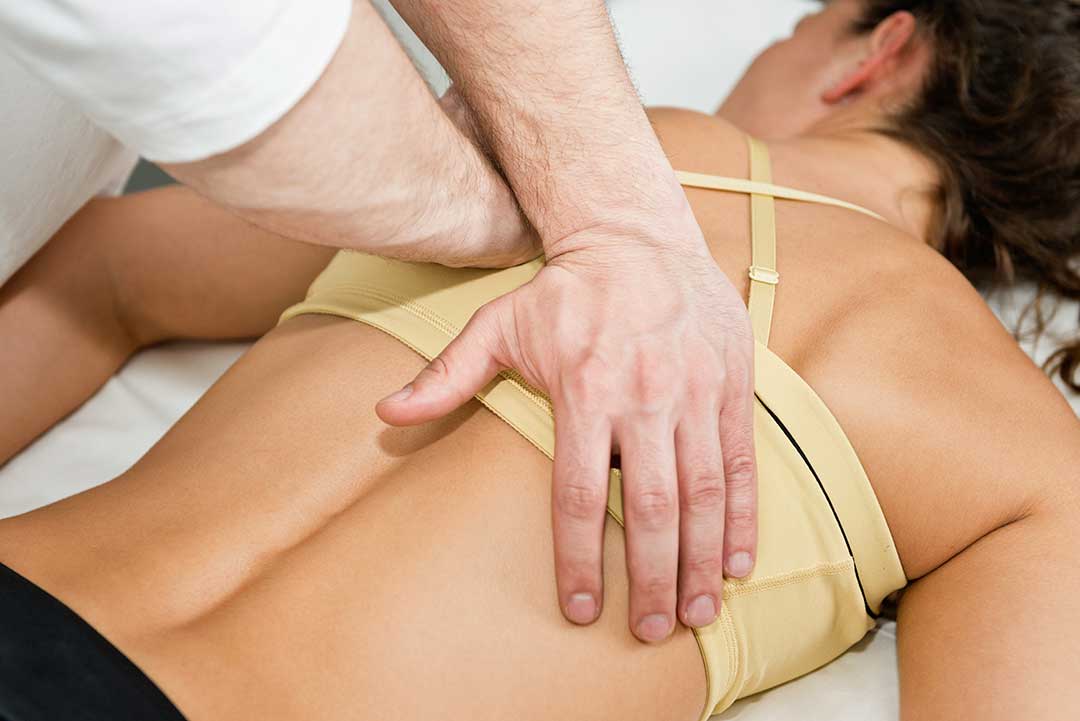
People who spend long periods sitting may also benefit from changing positions regularly. During colder months, indoor routines can help maintain activity when outdoor walking is less appealing. During warmer seasons, walking, gardening, and yard work can provide movement, but these activities should be increased gradually rather than treated as a substitute for all strengthening work.
A balanced routine should include:
- Strength training
- Aerobic activity such as walking
- Mobility exercises for the hips and upper back
- Balance practice when appropriate
- Rest and recovery between demanding activities
Does good posture require holding the stomach in all day?
No. Constantly tightening the abdomen can create unnecessary tension and make breathing less natural. Healthy posture is dynamic; it changes with the task, the chair, the position of the arms, and the direction of movement.
A better approach is to maintain a comfortable, supported position and use light core engagement when the body needs extra stability. Examples include lifting a child, carrying groceries, getting up from the floor, or reaching into a low cabinet.
Posture guidance from MedlinePlus emphasizes staying active and strengthening the muscles around the back, abdomen, and pelvis rather than attempting to maintain one rigid position continuously. ([medlineplus.gov](https://medlineplus.gov/guidetogoodposture.html?utm_source=openai))
When should back pain be checked before exercising?
Mild muscle fatigue can be normal, but exercise should stop if it produces sharp, worsening, or spreading pain. Extra caution is appropriate after a fall, collision, sudden lifting injury, or period of severe immobility.
Urgent medical evaluation is appropriate for back pain accompanied by:
- New loss of bladder or bowel control
- Numbness around the inner thighs or groin
- Significant or progressive leg weakness
- Fever, unexplained weight loss, or feeling seriously unwell
- Severe pain after major trauma
- Pain that is constant, worsening, or unrelated to movement
People with a recent surgery, diagnosed spinal condition, pregnancy, osteoporosis, or significant neurological symptoms may need individualized exercise guidance before beginning a new routine. A controlled, gradual approach is safer than trying advanced planks, heavy lifting, or high-repetition abdominal exercises immediately.
Core strength supports spinal health by improving the way the body handles movement and load. For local residents, the most useful approach is usually not an extreme workout but a steady combination of trunk control, walking, hip and leg strength, mobility, and sensible progression.
