
 See Our Latest Article on HelloNation

How Are Balance Problems and Spinal Alignment Connected?
Losing balance or feeling unsteady can be unsettling. Many residents in Woodbury, NY, have questions about why balance changes occur, and whether issues with the spine could play a role. Spinal alignment refers to how the bones, joints, and structures of the back stack and move together. When this alignment is off, it can impact nerves, posture, and the body's sense of position—all affecting steadiness and movement.
What Is Good Spinal Alignment?
A healthy spine supports the body in an upright, relaxed position without unnecessary curves or tilts. The alignment should allow the head, shoulders, hips, and feet to line up well. Good alignment helps signals travel smoothly from the brain to the body. When residents spend long hours sitting at home offices or driving through local neighborhoods, slouching or poor chair support can slowly change this alignment over time.
How Does Spinal Misalignment Affect Balance?
Spinal misalignment may disrupt balance in several ways:
- Compressed or irritated nerves: The spine protects the spinal cord. If vertebrae shift out of place, they can press on nerves that help control muscle activity in the legs, feet, or torso.
- Changes in posture: Misalignment can cause the shoulders to round forward or the hips to tilt, shifting the body's center of gravity.
- Reduced range of motion: Stiffness or pain in the back limits how easily people move, increasing fall risk, especially when moving outdoors in icy or uneven areas found locally.
Even subtle shifts can alter how the body senses terrain, steps, or sudden movements, leading to tripping or loss of steadiness.
What Common Symptoms Might Suggest a Link?
Residents sometimes overlook symptoms that point toward spinal involvement in balance issues. Common signs include:
- Persistent neck or lower back discomfort, especially after standing or walking
- Muscle weakness in the legs or feet that wasn't present before
- A sensation of numbness, tingling, or "pins and needles" down the arms or legs
- Trouble standing upright, needing a wide stance to feel stable
- Frequently bumping into furniture at home or struggling on stairs
- Feeling off-balance when carrying groceries or reaching up in home storage spaces
These symptoms can have multiple causes, but when they occur with balance issues, spinal alignment is worth considering.
Are Certain People in Woodbury More at Risk?
Anyone can develop alignment problems, but certain lifestyles and factors in the city may increase risk:
- Office workers using home setups without supportive chairs or proper desk height
- Retirees staying indoors for long periods, reducing core strength and flexibility
- Residents managing old injuries from local outdoor activities, like winter slips or sports
- People with chronic conditions such as arthritis who are less mobile in colder months
Parents carrying children, caregivers lifting loved ones, and those helping neighbors with household tasks may also strain their backs, especially during heavy snow or yardwork seasons.
What Are Some Overlooked Causes of Poor Balance Related to the Spine?
Not all balance problems are due to obvious spinal injuries. Commonly missed factors include:
- Gradual loss of core and back muscle strength from sedentary habits
- Worn-out shoes causing uneven foot placement and compensatory posture changes
- Carrying heavy bags or backpacks repeatedly on the same side
- Unnoticed slip-and-fall events on wet leaves or icy paths, causing minor spinal shifts
Sometimes, changes seem so mild that people don’t realize their posture or gait has changed until balance is noticeably affected.
How Can Residents Support Good Spinal Alignment for Better Balance?
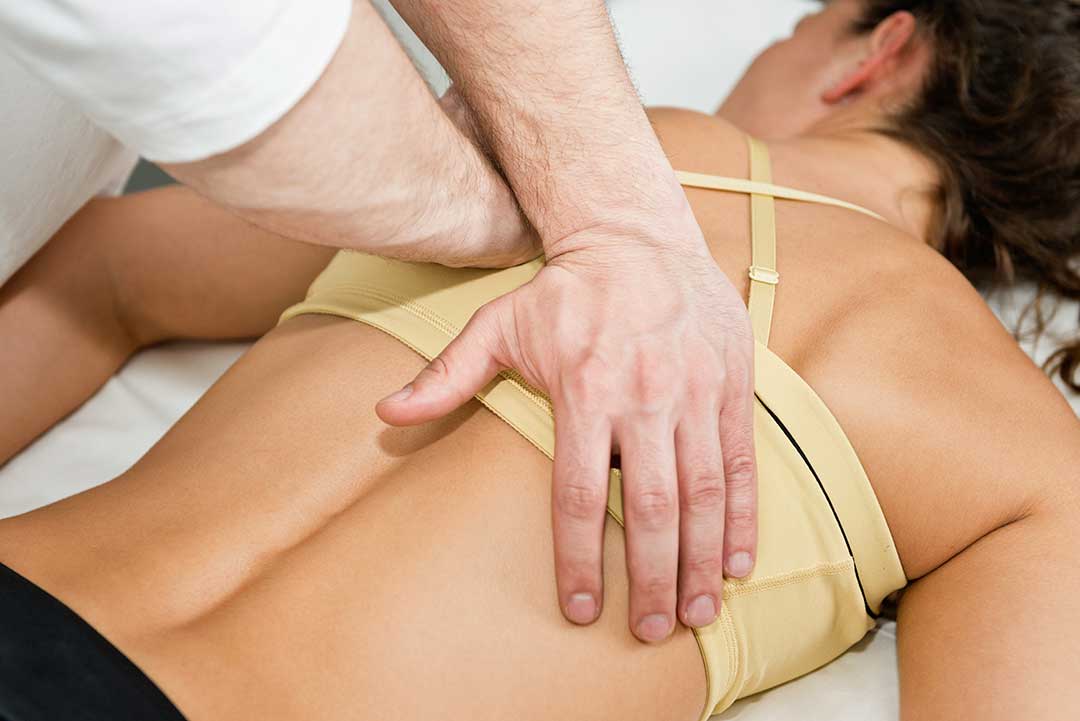
Practical adjustments help many area households reduce the risk of worsening alignment and promote steadiness. Some strategies include:
- Checking home seating and adjusting chairs for lower back support
- Setting screens at eye level to avoid hunching over devices
- Taking frequent breaks during chores or long drives to stretch and reset posture
- Strengthening the core with gentle, regular activity like walking, swimming, or yoga
- Wearing sturdy, supportive shoes, especially when walking in parks or on sidewalks that become uneven due to weather
In winter, being mindful of icy conditions and using handrails can also prevent slips that lead to new alignment changes.
When Might Balance Issues Require Professional Support?
Most minor balance issues resolve with self-care and posture adjustment. However, certain situations require more thorough evaluation:
- Sudden, severe, or rapidly worsening balance problems
- Numbness or weakness spreading into both arms or legs
- Loss of bladder or bowel control
- Symptoms following a significant fall, especially in icy months
Any abrupt or disabling symptoms should be assessed through proper medical channels to rule out more serious causes like nerve compression or neurological disorders.
What Are Common Misconceptions About Balance and Spine Health?
A few myths persist in the community:
- Only older adults or those with obvious injuries need to consider spinal alignment
- Minor back pain can't affect balance
- Balance training alone solves instability, regardless of posture or spine issues
In reality, spinal alignment affects all ages, and minor discomfort can sometimes signal deeper issues affecting stability.
Staying attentive to posture, movement habits, and early warning signs supports safer movement and better balance for local residents year-round.
