
 See Our Latest Article on HelloNation
What Does “Improving Mobility” Really Mean?
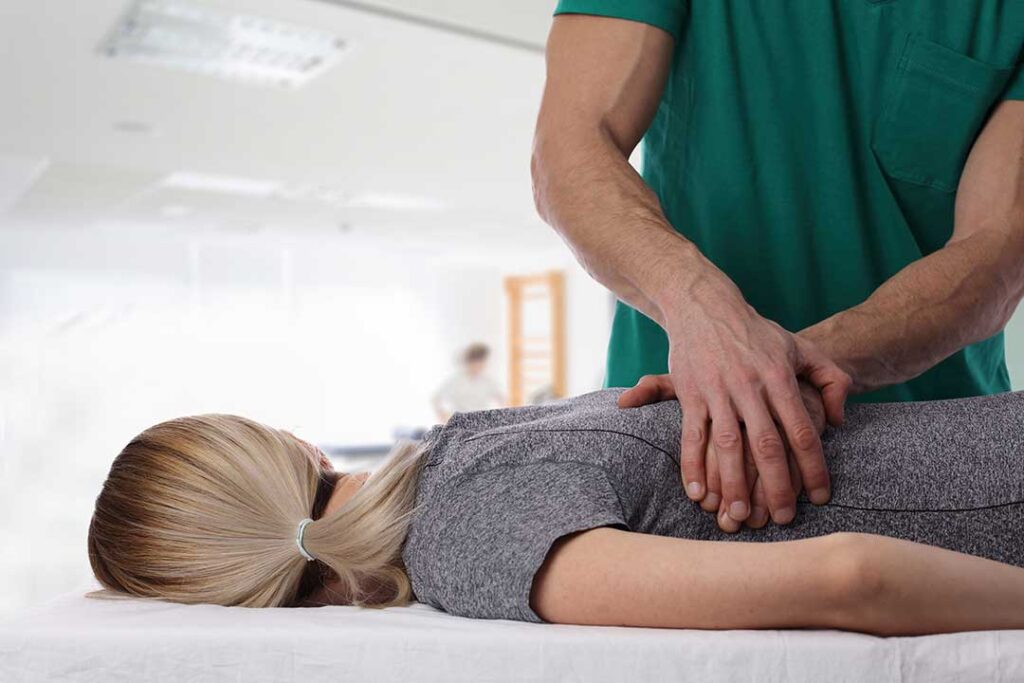
Improving mobility refers to making it easier for people to move comfortably and safely throughout their daily activities. For residents of Woodbury, this often means maintaining or regaining the ability to walk, bend, stand, climb stairs, and perform tasks at home or outdoors — despite the common effects of aging, joint concerns, or old injuries. The aim is not only to reduce pain but to help individuals stay independent and active in their homes and community.
Which Everyday Habits Support Better Mobility?
Consistent, low-impact movement has the most lasting effect on preserving and improving mobility. Locally, where residents enjoy walking trails, park visits, and gardening, these natural activities can be integrated into daily routines to keep joints healthy and muscles strong.
- Daily walks: Even moderate walks on neighborhood sidewalks or local parks help maintain joint flexibility.
- Gentle stretching: Simple morning and evening stretches can reduce stiffness caused by cooler seasons or prolonged indoor time.
- Household tasks: Regular chores, such as carrying groceries, sweeping, and yard work, encourage a full range of motion.
Choosing these types of activities, rather than remaining sedentary during long winters or rainy periods, is a practical step many area residents find accessible.
How Can Natural Remedies Help with Stiffness and Joint Discomfort?
Natural methods may ease minor aches and stiffness, especially in a climate where chilly temperatures can affect comfort levels. Residents can use non-invasive, home-based strategies to manage mild symptoms:
- Warm compresses: Applying warmth to stiff joints can be especially soothing after time spent outdoors in colder months.
- Epsom salt soaks: A warm bath with Epsom salts may relax muscles and improve movement, favored by many after active weekends.
- Anti-inflammatory foods: Incorporating fresh produce rich in omega-3s and antioxidants — such as leafy greens, berries, and walnuts — can support joint health over time.
These approaches can be combined with standard self-care, like rest and appropriate hydration, to help prevent persistent discomfort.
Are There Local Risks to Mobility That Residents Should Know?
Certain features of life in the community can impact mobility — understanding them allows for smart, preventative choices:
- Seasonal outdoor conditions: Icy sidewalks in winter or wet leaves in fall increase the risk of slips and falls. Wearing proper footwear, using handrails, and staying aware of walkways can help.
- Home environments: Older homes may have stairs, rugs, or tight spaces that challenge those with limited mobility. Small adjustments, such as securing mats or rearranging furniture, can boost daily safety.
- Commute and car use: Extended driving or sitting in traffic can worsen stiffness. Local commuters may benefit from taking breaks, gently stretching before and after travel, and moving regularly during stationary periods.
Awareness of these local factors helps residents maintain their routine while minimizing avoidable setbacks.
How Can Simple Exercises Restore or Maintain Everyday Function?
A few accessible exercises, done regularly, can support lifelong mobility — no gym or equipment required. For example:
- Heel raises: Stand near a counter, slowly rise onto the balls of your feet, pause, and lower. Repeating this improves ankle and calf strength, useful for stairs or uneven ground.
- Seated knee extensions: While seated, extend one leg out straight, hold briefly, then lower. This strengthens thigh muscles vital for stability.
- Gentle torso rotations: While sitting or standing, slowly turn the torso from side to side. This increases flexibility in the spine and helps with tasks like checking over the shoulder or reaching.
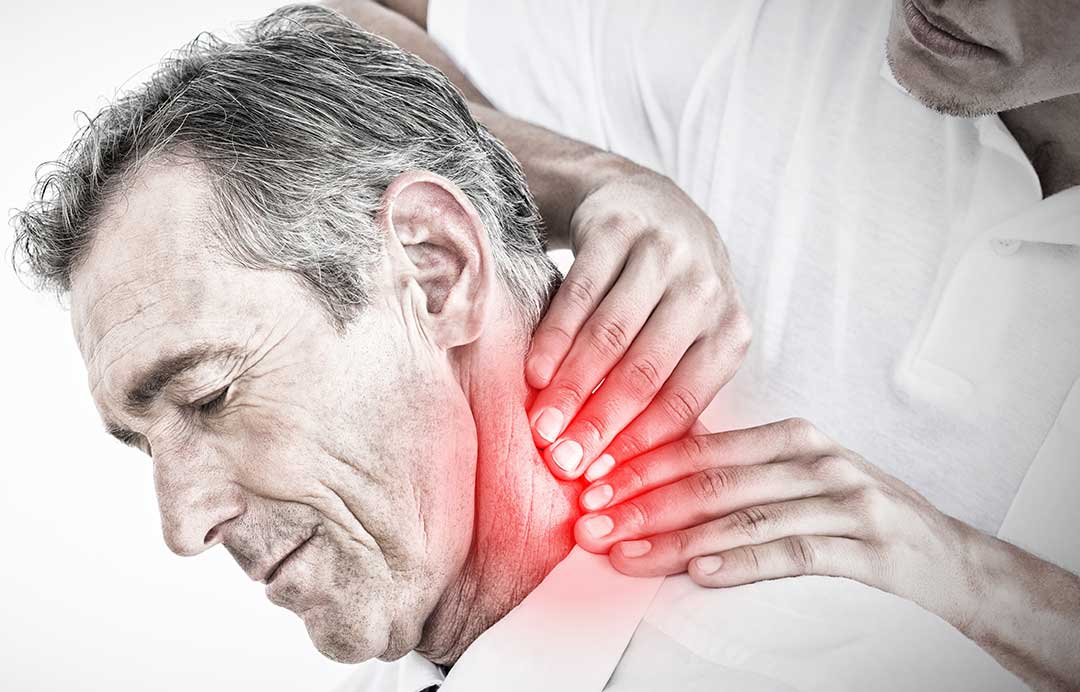
Residents can perform these movements in small sets during breaks at home, pairing them with daily routines for long-lasting benefit.
What Are Some Common Misconceptions About Improving Mobility?
Many people believe that losing mobility is unavoidable with age or that rest is always best after discomfort. In reality, gradual and gentle movement is often more effective at restoring flexibility and function, provided there is no acute injury.
Common myths include:
- “Exercise will make my joints worse.” For most, low-impact activity is protective rather than harmful.
- “Mobility problems happen only to older adults.” Anyone can experience decreased mobility after periods of inactivity, injury, or illness.
- “Stiffness is just part of living in a colder climate.” While cold may temporarily intensify stiffness, it’s not inevitable — regular activity can offset much of the effect.
Understanding these factors encourages more confident, proactive approaches.
When Should Residents Be Extra Cautious?
While most mild stiffness or short-term changes in movement can be addressed at home, it is essential to be cautious if:
- Severe pain develops suddenly during movement.
- There is loss of feeling or coordination.
- Joints become extremely swollen, hot, or red.
In such cases, it’s critical to seek urgent medical attention, as these may be symptoms of injuries or serious health conditions.
What Local Resources Can Support Mobility Goals?
The city provides various parks, paved pathways, and accessible walking trails used year-round by residents aiming to maintain an active lifestyle. Local recreation centers may offer group classes that focus on flexibility and gentle movement, fostering both physical and social benefits.
For individuals seeking more structure, community wellness programs, adult education classes, and public health workshops often provide information about safe movement habits tailored for various ages and abilities. Keeping informed about seasonal events and resources helps area households plan regular activity in ways that fit their preferences and needs.
